Design Systems & Prototyping
When every screen reinvents its buttons, inconsistency and slow delivery follow. A design system fixes that by making the common parts once, in a form both designers and developers trust. We build the system around how your team actually works, and use prototypes to test ideas before they cost real engineering time.
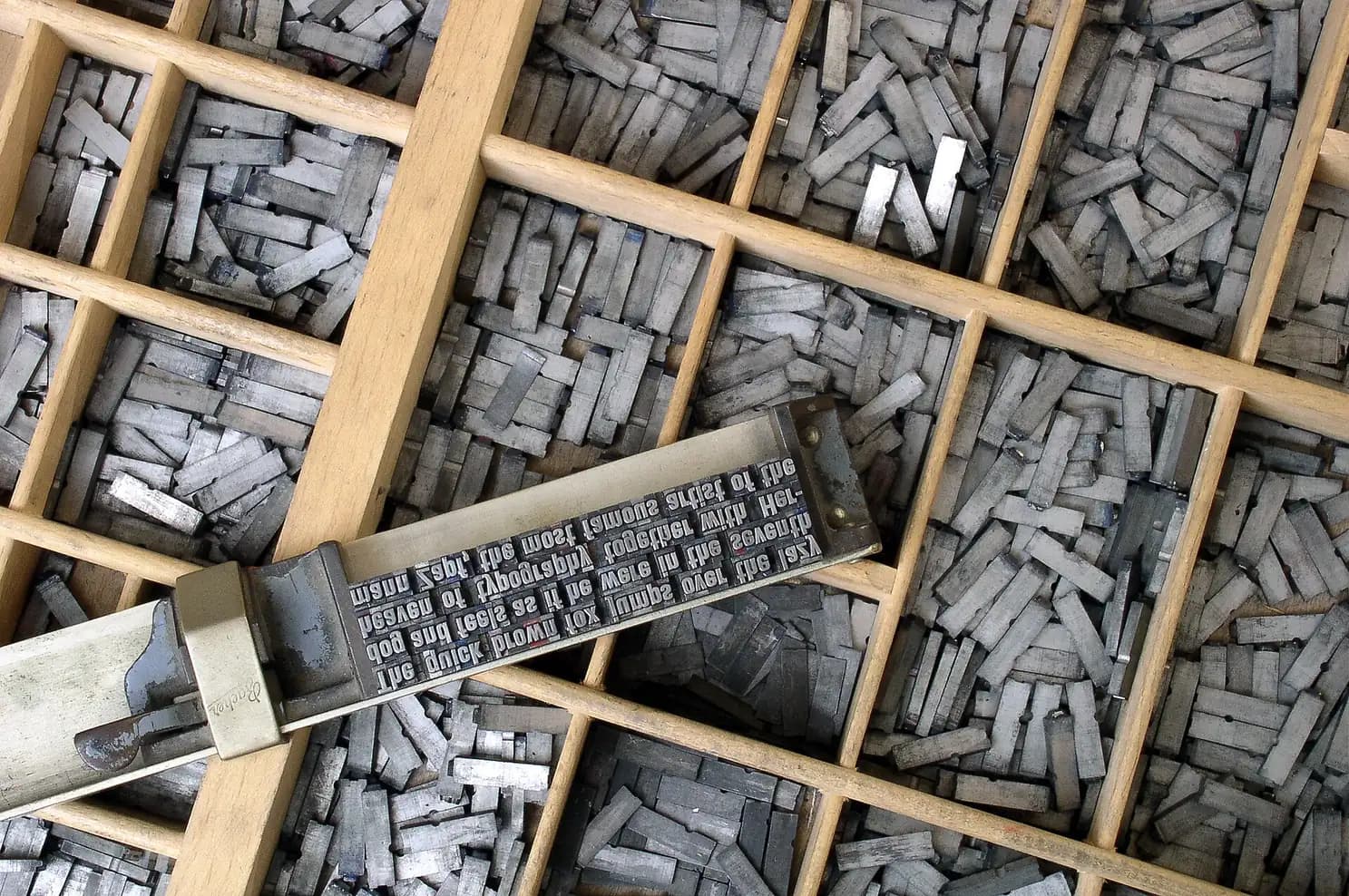
What we deliver
A shared design system and working prototypes, so design and engineering build from the same parts and new screens stay consistent and quick to ship.
- Tokens and foundations
- Colour, type and spacing defined once as the base every component references.
- Component library
- The shared parts, in design and in code, with their states and rules documented.
- Usage guidance
- When to use which component, so the system guides decisions rather than just storing parts.
- Prototypes
- Clickable prototypes to test flows and ideas before they become engineering work.
How we approach it
Audit what exists
We inventory the current patterns and find the duplication.
Define foundations
We agree tokens and the base rules everything else builds on.
Build components
We create the shared parts in design and code, with their states.
Document and prototype
We write the usage rules and prototype new flows against the system.
What you can expect
- Design and engineering building from the same parts.
- New screens that stay consistent and ship faster.
- Ideas tested as prototypes before they cost engineering time.
Common questions
Is a design system worth it for a small team?
Do you build the system in code too, or only in design?
What tools do you use for prototyping?

Interested in design systems & prototyping?
Tell us what you are trying to do and we will come back with honest next steps.